CORROSION PROTECTION
Experts in all types of corrosion protection work in steel construction and hydraulic steel construction
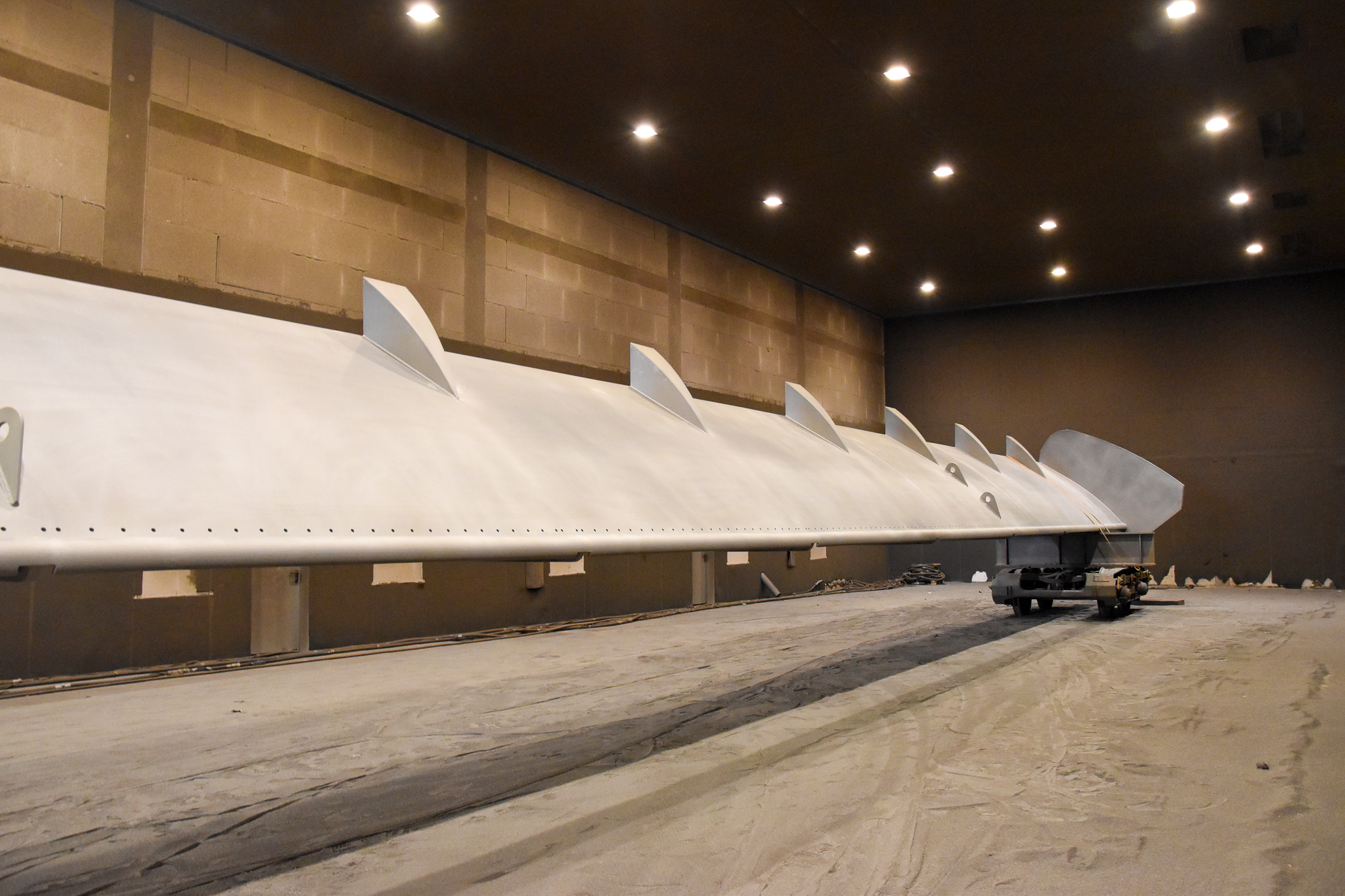
Coating in hydraulic steel construction
In hydraulic steel construction, steel structures are exposed to severe environmental conditions. In areas such as bridges, sluices, dams or port facilities, where the steel is constantly in contact with water – often salt water – reliable corrosion protection is essential.
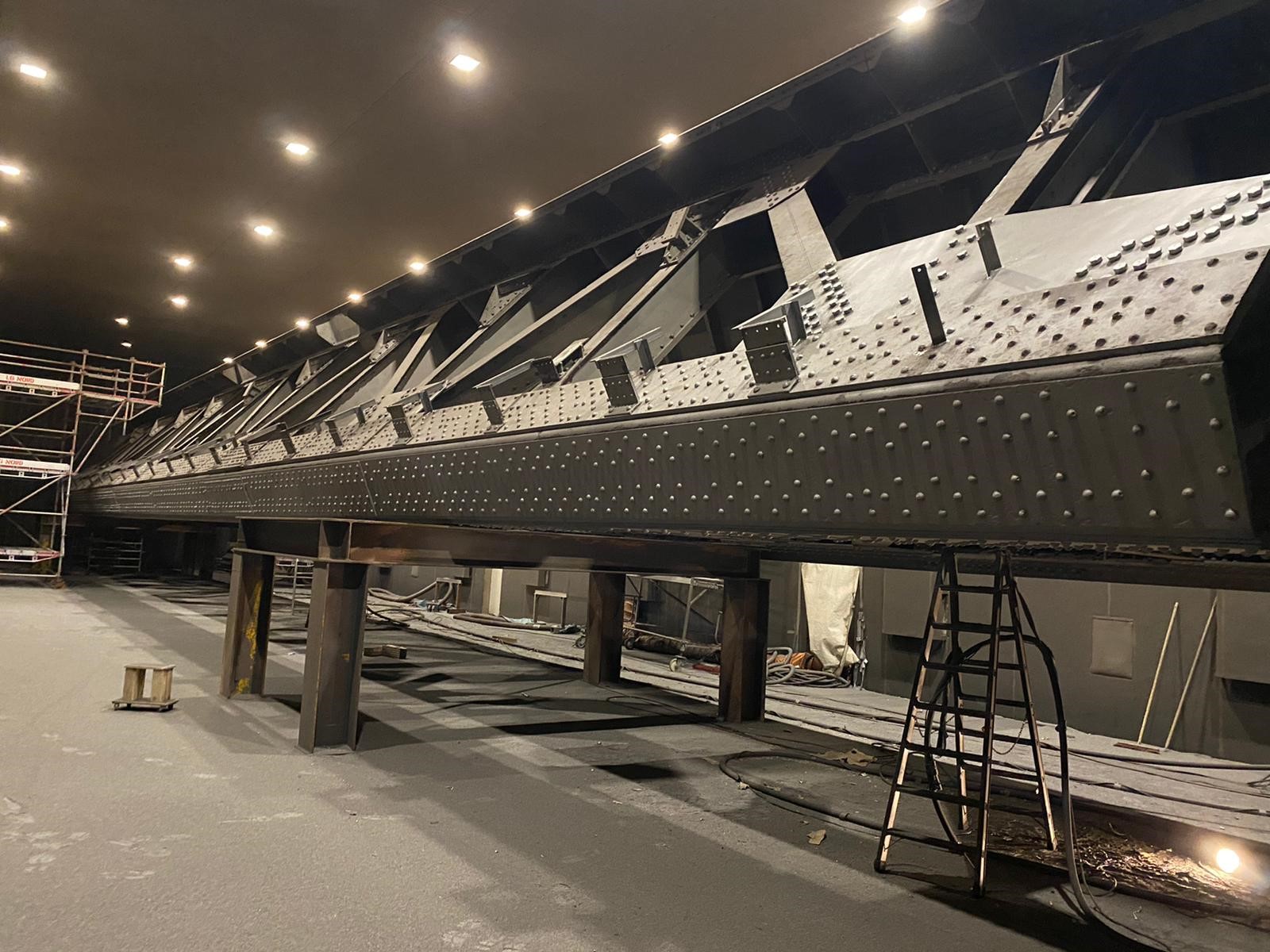

Our services in hydraulic steel construction
We offer specialised solutions for the protection, maintenance and coating of steel structures in hydraulic engineering. Using state-of-the-art technology and experienced specialist staff, we ensure lasting quality – even under extreme conditions.
- On-site coating
Professional coating work carried out directly on site – corrosion protection to the highest standards, even under difficult weather and access conditions.
- Decontamination work
Removal of old coatings contaminated with harmful substances in compliance with all environmental and health and safety regulations.
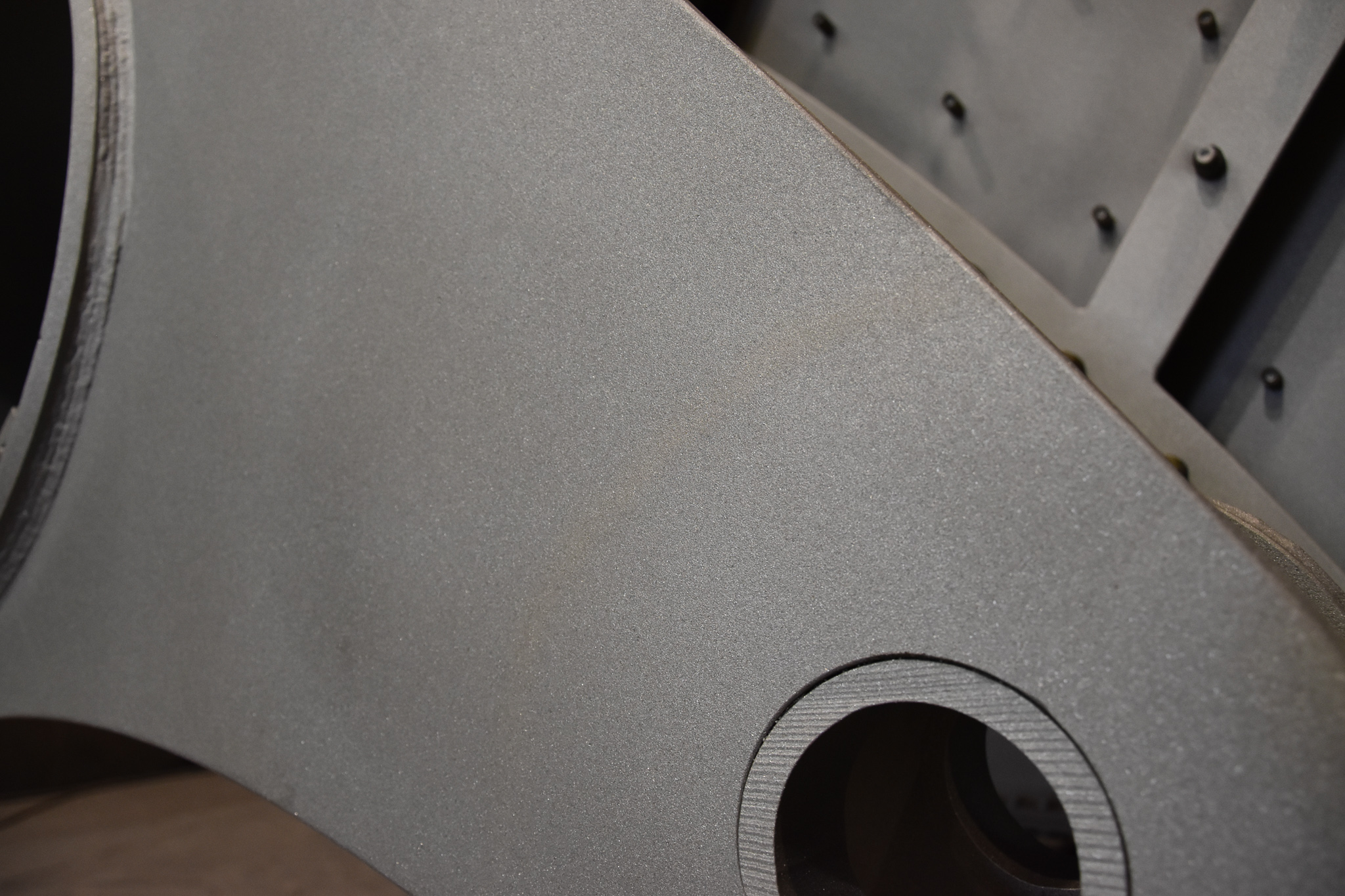
Blasting – Precise surface treatment
Blasting is a process used for cleaning, derusting or surface preparation of materials, in which an abrasive (e.g. natural abrasives, hard cast iron or glass beads) is propelled onto the surface at high speed. This process ensures a uniform surface and optimum adhesion for subsequent coatings.
Advantages of blasting
- Effective cleaning: Removes rust, dirt and old coatings
- Surface preparation: Ideal for preparing surfaces for powder coating or painting
- Versatility: Suitable for various materials such as steel, aluminium and stainless steel
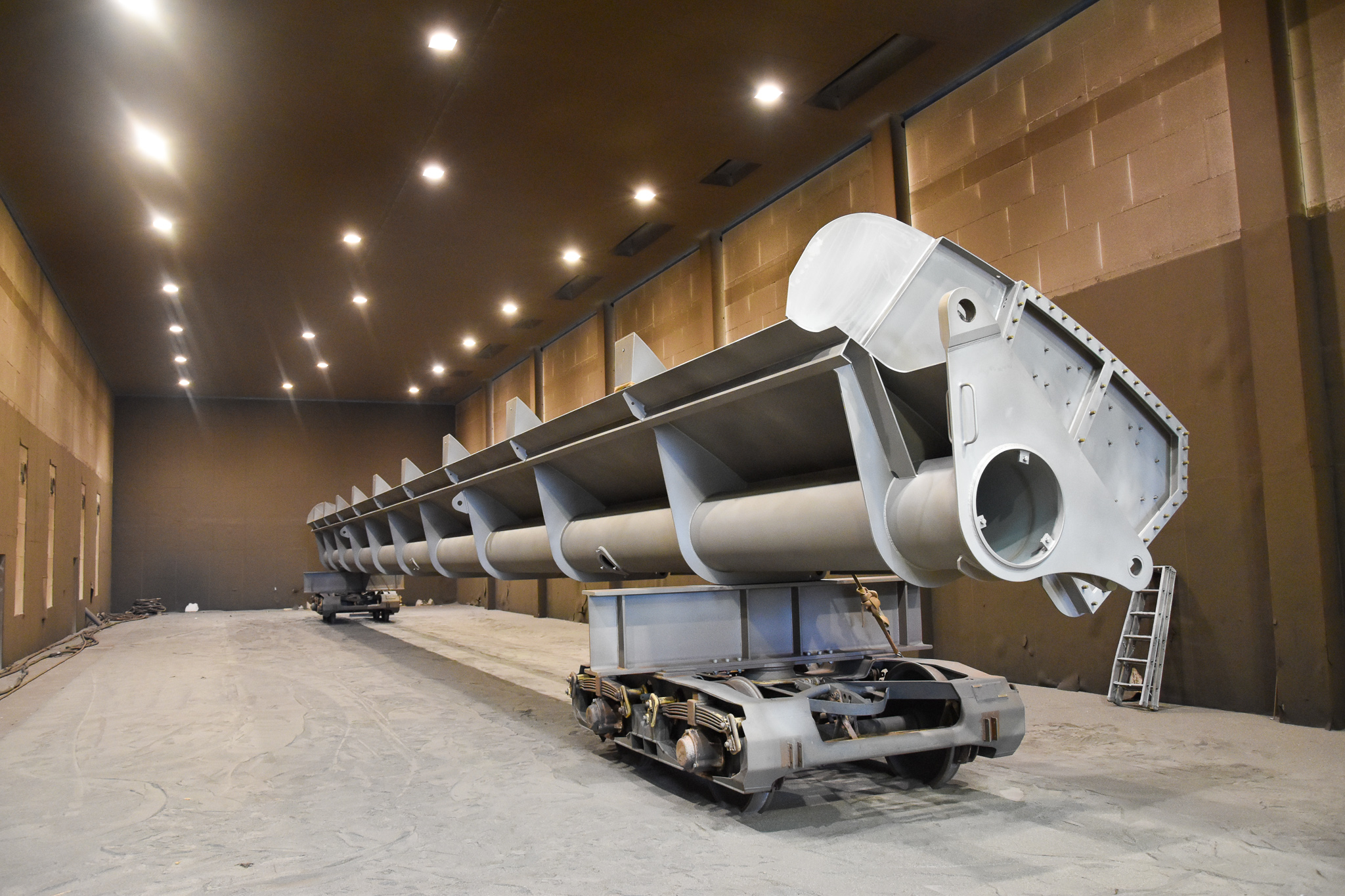
Fire-resistant coatings
Fire-resistant coatings are a key measure for ensuring the safety of buildings and infrastructure. They provide crucial protection against the effects of fire and help to slow the spread of flames and smoke. We offer fire-resistant coatings in various fire resistance classes:
- F30 – Fire resistance of at least 30 minutes
- F60 – Equivalent to 60 minutes
- F90 – 90 minutes
- F120 – At least 2 hours
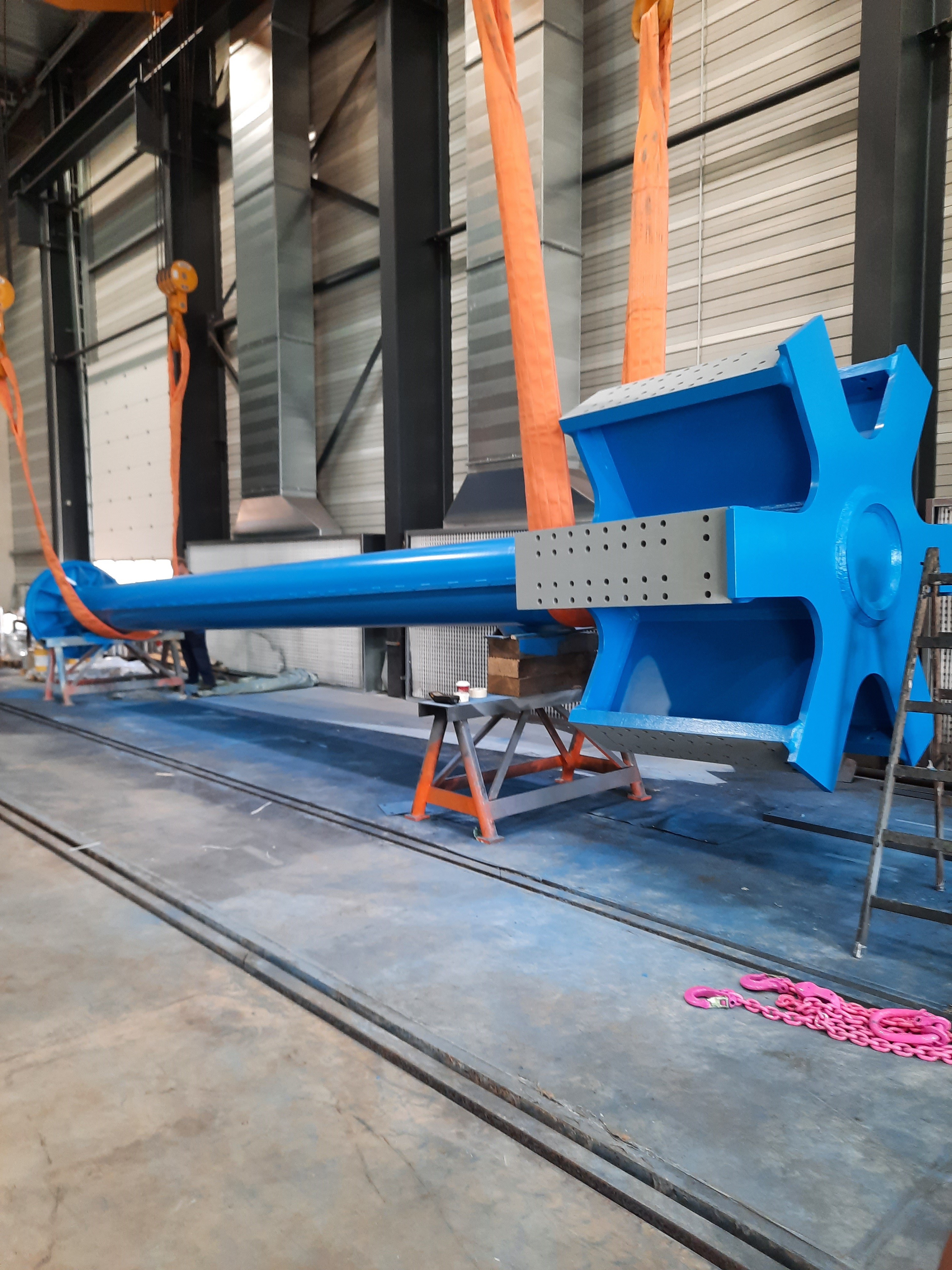
Industrial coating
Industrial coatings are crucial to the durability and functionality of components and machinery. They protect against corrosion and improve surface durability and appearance.
- powder coating
- Spray galvanising (Thermal Spray Galvanising – TSA)
- Liquid paint
Powder Coating: Robust Protection and Customised Design
Powder coating is an environmentally friendly process in which an electrostatically charged powder is applied to the workpiece and cured at 160–200 °C. This creates an even, visually appealing and durable protective layer.
Advantages of powder coating
- High durability: impact-, scratch- and corrosion-resistant
- Environmentally friendly: Solvent-free
- Versatile: Uniform coating even on complex shapes
- Customisable: Wide range of colours and finishes
Spray galvanising: Effective corrosion protection for metal
Spray galvanising is a process in which molten zinc-aluminium or aluminium-zinc alloys are sprayed onto the workpiece at high speed to form a highly resistant anti-corrosion coating. This method is particularly suitable for large components or those requiring on-site treatment.
Advantages of spray galvanising
- Excellent corrosion protection: Provides reliable protection against rust
- High flexibility: Suitable for large and complex components
- Durable: Particularly effective in extreme weather conditions
Ideal for steel structures, bridges, wind turbines and other industrial applications.